Crown reduction in Fulham
If you are looking for crown reduction in Fulham, you are likely dealing with a tree that has become too tall, too wide, too heavy, or simply no longer fits comfortably within the space it grows in. That is a common situation across Fulham, where mature trees sit close to period homes, shared gardens, mews-style properties, paved frontages, commercial forecourts, and busy streets with limited access. A well-planned crown reduction can help restore balance, improve light, ease pressure on limbs, and make a tree safer and more manageable without removing it entirely.
For many local customers, the need is practical rather than cosmetic. A tree may be encroaching on neighbouring boundaries, blocking windows, overhanging a roof, brushing against fencing, or growing too close to a driveway, balcony, or outbuilding. In some cases, branches may be causing concern after wind exposure or seasonal growth. In others, a tree may simply need shaping to suit the garden better. Whatever the reason, careful crown work can be a smart solution when carried out by experienced professionals who understand tree health, local conditions, and the realities of working in a dense residential area like Fulham.
Because every tree and site is different, the best approach begins with a proper assessment. A good local arborist will look at the species, age, structure, previous pruning history, surrounding structures, and the outcome you want to achieve. That makes crown reduction a tailored service rather than a one-size-fits-all cut. If you are considering work on a tree in your garden, shared courtyard, business frontage, or managed property, request a free quote and find out what is possible for your tree.
What crown reduction means for Fulham properties
Crown reduction is the selective shortening of a tree’s canopy to reduce its overall size while keeping its natural shape as much as possible. The aim is not to flatten or “top” the tree, but to shorten key branches back to suitable growth points so the crown becomes lighter, smaller, and better balanced. In practical terms, this can reduce height, spread, and wind resistance, all while maintaining the tree’s appearance and structure.
In Fulham, this service is often requested for trees that have become too dominant in smaller gardens or along narrow access routes. Many local properties sit on plots where space is at a premium, and even a healthy tree can start to feel overwhelming if it has grown unchecked for several seasons. Trees in rear gardens off residential roads, front gardens near pavements, and shared spaces around apartment buildings can all benefit from thoughtful reduction when the canopy starts interfering with day-to-day use of the space.
Crown reduction can also be a useful response to practical concerns such as shading, overextended branches, or the need to reduce load on limbs that may be vulnerable in high winds. In a built-up area, even a small change in branch spread can make a meaningful difference to light levels, privacy, and the way the garden feels. When done properly, this work should leave the tree looking neat, proportionate, and well cared for rather than harshly cut back.
Why local customers choose crown reduction instead of removing a tree
Many Fulham residents want to keep mature trees because they add character, screening, wildlife value, and long-term beauty to the property. Full removal is sometimes necessary, but it is not always the best first option. Crown reduction offers a middle ground: the tree remains in place, yet its size and influence on the surrounding space are reduced. That can be especially important in gardens where planting has taken years to establish or where the tree provides a strong visual anchor.
Common reasons customers choose reduction include:
- Improving light into a house, conservatory, or garden seating area
- Reducing overhang onto neighbouring property or public footpaths
- Managing a tree that has outgrown a small urban garden
- Relieving pressure on long, heavy, or wind-sensitive branches
- Creating a more balanced shape after uneven growth
- Making it easier to use patios, lawns, driveways, and outdoor space
In areas like Fulham, where homes often have limited outdoor space, keeping the tree but adjusting its size can be the most sensible outcome. It is also helpful for landlords, managing agents, and business owners who need to keep external areas neat and safe without unnecessary disruption. If you are unsure whether crown reduction is the right choice, a professional inspection can help you compare it with crown thinning, crown lifting, or other forms of tree pruning.
How the service works
A proper tree reduction service starts with an on-site assessment. The arborist looks at the tree’s species, shape, condition, and location, then discusses what you want to achieve. In Fulham, access can be a major factor, so the team will also consider where equipment can be positioned, whether there is rear access, how close the tree is to fences or buildings, and whether parking arrangements may affect the work. This preparation matters because neat, controlled pruning in a confined space requires planning.
Once the tree has been assessed, the work is carried out using selective pruning cuts that reduce branch length and redistribute weight. The objective is to remove growth in a way that supports the tree’s structure. Good practice avoids taking too much from one side, avoids leaving awkward stubs, and respects the tree’s natural form. A skilled team will work with the tree rather than against it, aiming for a clean result that looks intentional and remains healthy over time.
After the cutting is complete, the team should tidy the site, remove the green waste, and leave the area ready to use. For many customers, that final tidy-up is just as important as the pruning itself. Whether the job is in a rear garden, communal courtyard, shop frontage, or office exterior, a professional finish helps the whole property feel more orderly and easier to maintain.
What is usually included
When you book crown reduction in Fulham, the service will normally include several important stages. While details vary depending on the tree and access, customers usually want a clear picture of what is involved.
- Initial inspection of the tree and surrounding area
- Discussion of the desired outcome and any concerns
- Selective pruning to reduce crown size
- Attention to shape, balance, and overall appearance
- Removal of cut branches and waste from the site
- Basic tidy-up of the work area once the job is complete
Important: the exact extent of reduction depends on the species, condition, and previous management of the tree. A responsible arborist will not promise a fixed outcome before seeing the tree in person.
Fulham-specific considerations: access, neighbours, and property types
Fulham is a busy and varied part of west London, and that has a big effect on how tree work is planned. The area includes terraced housing, mansion blocks, flats with communal gardens, larger family homes, commercial premises, schools, and hospitality businesses. Each property type brings different challenges. A tree in a private rear garden may be straightforward to reach, while one in a shared courtyard or beside a narrow side passage may require smaller equipment, careful manual handling, and extra coordination.
Parking and access can also be more complicated than in less built-up areas. Streets may be busy, loading space may be limited, and garden access may depend on narrow gateways or internal routes through the property. For this reason, using a local team familiar with Fulham can save time and reduce stress. A crew that already understands local access conditions is better placed to plan the right tools, protect surfaces, and complete the work efficiently.
Neighbour relations are another key point. Trees on boundary lines or near shared fences can create tension if branches are overhanging or dropping debris. Crown reduction can be a practical way to maintain good relations by reducing encroachment and improving the appearance of the tree from all sides. For managed buildings and commercial properties, a neat, professional result also helps create a good impression for residents, visitors, customers, and staff.
Typical local situations where reduction helps
Here are some common examples where customers in Fulham ask for this service:
- A mature tree shading a small back garden and making it hard to enjoy the patio
- Branches brushing a roof, gutter, or upper-storey window
- A tree crowding a driveway or entrance path
- Overgrowth affecting a neighbour’s boundary or private seating area
- Large canopy spread near a business frontage or customer access point
- A tree that has become too top-heavy after years without maintenance
These are exactly the kinds of situations where professional crown work can improve both the tree and the use of the property around it.
Benefits of professional crown reduction
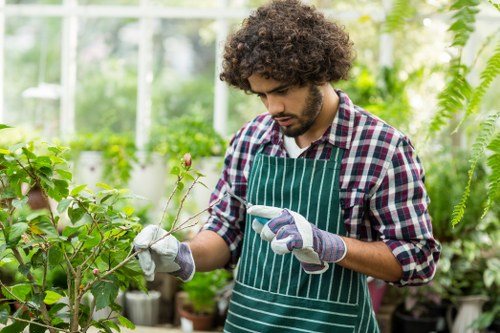
When carried out by experienced tree surgeons, crown reduction offers several important benefits beyond a simple visual improvement. The most obvious advantage is size control. A reduced crown can make the whole property feel lighter, more open, and more manageable. That is especially valuable where outside space is limited and every metre matters.
Key benefits include:
- Better light penetration into rooms and gardens
- Reduced stress on heavy or extended branches
- Improved clearance from buildings and boundaries
- A tidier, more proportionate appearance
- Less interference with daily use of outdoor space
- Potentially reduced wind loading in exposed positions
There is also a long-term value in keeping a tree well managed rather than waiting until it becomes a bigger problem. Regular maintenance can be less disruptive and more cost-effective than responding to severe overgrowth or damage. Many customers in Fulham prefer to take a planned approach because it helps preserve the tree while avoiding recurring issues with neighbours, blocked light, or difficult access.
Tree health and responsible pruning
Why technique matters
Not all pruning is equal. A careful crown reduction supports the tree’s structure, while poor cutting can leave it stressed, misshapen, or more vulnerable to decay. That is why it is important to use an arborist who understands species-specific growth habits and how trees respond after work is carried out. The right pruning points, the right amount of material removed, and the right timing all contribute to a healthier outcome.
Different trees respond differently. Some species handle reduction well when the cuts are planned carefully, while others may need a more conservative approach. A professional will consider the tree’s age, vitality, and pruning history before suggesting how much to remove. The aim should always be to preserve as much healthy structure as possible while still achieving the practical result you need.
Good pruning practice usually means:
- Making clean cuts at suitable growth points
- Keeping the crown balanced rather than removing too much from one side
- Avoiding unnatural shapes or blunt “topping” cuts
- Taking account of the tree’s future growth, not just the immediate look
- Respecting the tree’s health and stability throughout the process
This is why choosing a knowledgeable local team matters: the quality of the reduction affects how the tree looks now and how it performs in the seasons ahead.
Commercial crown reduction for businesses and managed properties
Practical tree care for busy sites
Fulham has plenty of commercial settings where tree maintenance matters just as much as it does in private gardens. Restaurants, cafés, offices, schools, retail premises, hospitality venues, residential developments, and managed communal spaces all benefit from tidy, safe, and well-controlled trees. If a tree is shading a frontage, blocking signage visibility, dropping excessive leaf litter, or interfering with a customer or staff route, crown reduction can be a sensible solution.
For businesses, reliability and minimal disruption are often top priorities. Work may need to be scheduled around opening hours, delivery windows, residents’ access, or school routines. A local company familiar with Fulham’s pace and layout can plan the job to suit the site rather than forcing the site to suit the job. That helps keep the process smooth and professional from start to finish.
Commercial customers also tend to value a tidy finish because the external appearance of a site affects how people perceive it. A managed tree that has been reduced correctly can improve the look of entrances, seating areas, frontage paths, and parking spaces. For landlords and managing agents, it can also help reduce complaints related to overhanging branches and overshadowing.
What commercial clients often ask for
- Clearance around roofs, walls, and paved access routes
- Reduction to improve visibility and natural light
- Work timed to reduce inconvenience to occupants or customers
- Waste removal and full site tidy-up after completion
- Advice on future maintenance intervals
Preparing for your appointment
A little preparation helps the work go more smoothly, especially in a busy area like Fulham. If you are arranging crown reduction, there are a few practical steps that can make the visit easier for everyone involved. You do not need to do the pruning yourself, but you can help by making the site accessible and flagging any concerns in advance.
Preparation checklist:
- Make sure the team can access the garden, courtyard, or side passage
- Move cars, bikes, furniture, plant pots, and fragile items if possible
- Let the arborist know about low roofs, cables, sheds, glass structures, or new fencing
- Inform neighbours if branches may affect shared boundaries or access
- Tell the team about any known tree issues, such as previous storm damage or decay
- Ensure pets and children are kept away from the work area during the visit
It is also helpful to think about your preferred outcome before the assessment. For example, do you want more light, better clearance, less overhang, or a smaller overall silhouette? The clearer your priorities, the easier it is for the arborist to recommend the most suitable approach. If you are uncertain, a site visit and conversation can help define the best result.
Pricing factors and what affects the quote
Customers often want to know what shapes the cost of crown reduction in Fulham. While exact prices depend on the job, several consistent factors affect the quote. Understanding them can help you compare options properly and avoid choosing on price alone. The right service should be safe, well-planned, and appropriate for the tree’s condition.
Common pricing factors include:
- Tree size, height, and canopy spread
- Species and structure of the tree
- Level of reduction required
- Access to the work area
- Parking constraints and equipment placement
- Time needed for cleanup and waste removal
- Whether the job involves multiple trees or difficult boundary work
Jobs in compact urban locations may take longer because branches have to be managed carefully around buildings, fencing, garden structures, and neighbouring property. That is one reason a local site visit is so useful. It allows the team to assess the tree in context and give you a realistic quote based on the actual work involved.
If you are comparing providers, ask what is included in the service, how the tree will be reduced, whether the waste will be removed, and how they plan to protect the surrounding area. A good quote should make the scope clear enough for you to decide with confidence.
Why choose a local Fulham company
There are practical advantages to using a local team for tree surgery in Fulham. A company that works regularly in the area is more likely to understand local access conditions, common property layouts, and the kinds of tree issues local residents face. That can make the process faster, more efficient, and better suited to the realities of the site.
Reasons local knowledge matters:
- Better understanding of narrow streets and limited parking
- Familiarity with dense residential layouts and shared gardens
- Quicker planning for access, equipment, and waste handling
- More practical scheduling around local customer needs
- Ability to respond to both private and commercial requirements
Local customers also tend to appreciate a team that communicates clearly, arrives prepared, and respects the property as well as the tree. In a place like Fulham, where homes and businesses often sit close together, professionalism and tidy working make a real difference. The right company should make the job feel straightforward rather than disruptive.
Areas covered around Fulham
Tree work requests often come from a wide radius around Fulham, especially where gardens, courtyards, and commercial frontages need regular care. If you are nearby and have a tree that has become too large or awkward, crown reduction may be suitable for your property too.
Common nearby areas may include:
- Parsons Green
- West Brompton
- Hammersmith
- Chelsea
- Putney
- Wandsworth
- Earl’s Court
- South Kensington
Whether the work is in a private garden, a residential block, a communal outdoor space, or a business premises, the same principles apply: careful assessment, controlled reduction, respect for the tree, and a tidy finish. If you are in or around Fulham and need help with an overgrown crown, it is worth arranging a professional inspection rather than letting the issue get worse.
Frequently asked questions
How do I know if my tree needs crown reduction?
If the tree is too wide, too tall, shading too much of the garden, or interfering with buildings or neighbours, reduction may be suitable. A site visit will confirm whether it is the best option.
Will crown reduction harm the tree?
When done correctly, reduction should not harm a healthy tree. The work must be proportionate and carried out using proper pruning methods. Overcutting or poor technique can be damaging, which is why experience matters.
Is crown reduction the same as topping?
No. Crown reduction is selective and designed to preserve shape and structure. Topping is a much harsher practice that can leave the tree stressed and poorly formed. A responsible arborist will avoid topping.
Can you reduce a tree near a house or boundary?
Yes, many crown reduction jobs are carried out close to homes, fences, garages, and neighbouring property. The key is safe planning and controlled cutting, especially where access is limited.
How often will a tree need this kind of work?
That depends on the species, growth rate, and location. Some trees need regular attention every few years, while others can go longer between visits. A professional can advise on a maintenance interval that suits your tree and property.
Do I need permission before arranging the work?
In some cases, yes. Trees may be protected or subject to local controls. It is sensible to check before starting any pruning. A reputable local team can help you understand what needs to be considered before the work begins.
Book your crown reduction in Fulham
If a tree on your property is becoming too large, too dense, or too awkward to manage, crown reduction in Fulham can be an effective way to bring it back under control while keeping it healthy and attractive. It is a practical service for homeowners, landlords, managing agents, and businesses that need better light, safer clearance, and a tidier outdoor space.
Whether your tree is crowding a small garden, reaching over a roof, affecting a boundary, or making a commercial frontage look untidy, a professional assessment is the best place to start. The right approach will be based on the tree itself, the space around it, and the result you want to achieve. That way, the work is not just done quickly, but done properly.
Contact us today to discuss your tree, request a free quote, or book a visit. If you want a more manageable tree without losing the character it brings to your property, speak to a local team that understands the needs of Fulham customers and the challenges of working in a busy west London setting.