Crown thinning in Fulham: a practical local service for healthier, better-shaped trees
If you are looking for crown thinning in Fulham, you are probably dealing with a tree that is doing a bit too well for its own good. Dense crowns can block light, catch the wind, shed heavy branches, and make a garden, driveway, or shared courtyard feel smaller than it should. For homes and businesses across Fulham, a carefully planned crown thinning service can improve the look, balance, and safety of a tree without stripping it back too heavily.
Fulham has a mix of Victorian terraces, mansion blocks, modern apartments, school grounds, office entrances, and compact rear gardens. That variety means trees often need a thoughtful approach, especially where branches overhang paths, walls, neighbouring properties, parking bays, or commercial frontage. A local tree team understands these practical pressures and can tailor the work to the tree, the setting, and how the space is actually used day to day.
Crown thinning is often chosen by customers who want more daylight, reduced wind resistance, and a tidier canopy while keeping the natural outline of the tree. It is not the same as severe cutting or topping. Done well, it should leave the tree looking lighter and more breathable, not hacked back or left unbalanced. That is why using an experienced local arborist matters.
 What crown thinning means for Fulham properties
In simple terms, crown thinning removes selected smaller branches from inside the canopy and from crowded outer sections, while preserving the overall size and shape of the tree. The goal is to reduce congestion rather than reduce height. This makes it a good option where a tree is healthy but dense, where rain and wind catch in the branches, or where neighbours are asking for more light.
For many Fulham customers, the appeal is practical. A lighter canopy can help lawns recover, give garden seating areas more usable daylight, reduce leaf fall intensity, and make front gardens and courtyards feel less enclosed. It can also help reduce strain on branches during strong winds, which is especially useful for larger trees in built-up streets where space is tight.
Well-executed crown thinning in Fulham should enhance the tree without making it look overworked. That balance is important in conservation-minded streets and in shared residential settings where appearance matters as much as function. A local tree surgeon will usually assess the species, branch structure, condition, and nearby constraints before recommending the right level of thinning.
When it is commonly requested
- To let more natural light reach gardens, rooms, or paved areas
- To reduce wind loading in exposed or open positions
- To improve clearance over driveways, roofs, paths, and access routes
- To make a mature tree look less congested and more balanced
- To help with neighbour relations where overhanging branches are causing concern
 Why crown thinning is especially useful in Fulham
Fulham’s urban layout creates specific tree care challenges. Many properties have limited side access, narrow front gardens, and shared boundaries. Trees may be positioned close to brick walls, railings, conservatories, underground lightwells, or rear access lanes. In these settings, a tree with a very dense crown can quickly become a nuisance even when it is otherwise healthy.
Local commercial premises also benefit from thinning work. Shopfronts, cafés, nurseries, offices, gyms, and medical practices often need trees to look attractive while still allowing visibility, airflow, and enough daylight for customers and staff. A heavy canopy can obscure signage, make entrances darker, and create extra debris around footpaths and seating areas.
Because Fulham includes both quiet residential streets and busier routes with regular parking pressure, the logistics of tree work matter too. A local team is more likely to understand timing, access limitations, and the need to keep disruption low. That includes planning for ladder access, parking permits if required, and safe movement of equipment in tight spaces.
Areas and property types where it is often requested
- Victorian and Edwardian terraces with rear gardens
- Mansion blocks and communal grounds
- Apartment courtyards and private estates
- Schools, nurseries, and educational sites
- Shops, restaurants, and office frontages
- Homes near the Thames and more open, wind-exposed pockets
 What is included in a professional crown thinning service
A proper crown thinning service is more than just cutting a few branches at random. It starts with a careful look at the tree’s structure, species, size, and condition. Some species tolerate thinning better than others, and some trees may need a lighter touch due to age, stress, or previous pruning. The objective is always to remove selected branches in a way that supports the long-term health and form of the tree.
On the day, the work usually includes an inspection of the canopy, identification of crossing or crowded branches, and selective pruning carried out to suitable arboricultural standards. The crew will often work from the ground and with climbing equipment or a platform, depending on the size and location of the tree. Where necessary, branches are lowered carefully to avoid damage to nearby planting, fencing, sheds, or paving.
After the pruning, the site is normally cleared of cuttings and larger debris so the area can be used again with minimal hassle. For customers in Fulham, that tidy finish is often a key part of the service, especially in smaller gardens and shared outdoor spaces where there is little room for leftover brash.
Typical service elements
- Initial inspection and discussion of goals
- Assessment of the tree’s condition and branch structure
- Selective removal of internal and crowded branches
- Maintaining the natural outline and form of the tree
- Waste collection and site tidy-up
Optional considerations
Depending on the tree and the location, the team may also suggest light deadwood removal, minor corrective pruning, or a separate reduction if height or spread is also an issue. These should only be recommended where they genuinely suit the tree’s condition and the customer’s aim.
For many people, the biggest advantage of crown thinning is how subtle the improvement can be. A garden may feel brighter without losing the presence of the tree. A driveway may be easier to use without compromising privacy. A commercial frontage may become more welcoming without removing the green character that gives the site appeal.
It is worth noting that different trees respond differently. Mature maples, limes, chestnuts, cherries, plane trees, and ornamental garden trees all have distinct growth habits, and a skilled arborist will adapt the approach accordingly. In a built-up area like Fulham, that attention to detail can make the difference between a tree that recovers well and one that looks thin, stressed, or uneven.
Another reason local residents choose crown thinning is to reduce nuisance caused by dense canopies near neighbours. If a tree is creating heavy shade, trapping moisture, or dropping a large volume of twigs and leaves into adjoining spaces, selective thinning may offer a sensible middle ground between doing nothing and carrying out a much stronger reduction.
 How the work is planned and carried out
Good tree work begins before the first cut is made. A responsible provider will assess the site layout, identify possible obstacles, and decide how the branches should be removed safely. In Fulham, that may involve planning around parked cars, narrow pavements, basement lightwells, overhead wires, neighbouring boundaries, or delicate planting beds.
The practical process usually starts with a discussion of what you want to achieve. Some customers mainly want more light; others are trying to improve clearance, reduce wind movement, or address complaints from neighbours. Once the aim is clear, the arborist can explain whether crown thinning is the right service or whether another type of pruning would be more suitable.
The actual pruning should be selective and considered. Rather than taking material from every part of the tree, the arborist chooses branches that overcrowd the canopy, rub against each other, or contribute little to the tree’s overall shape. This helps maintain strength and appearance while allowing light and air to move through the crown more easily.
Good reasons to ask for a site visit first
- To check access for equipment and loading of waste
- To confirm whether nearby structures may be affected
- To see how much natural light improvement is realistic
- To make sure the tree’s condition supports thinning
- To agree on the right balance between reduction and conservation
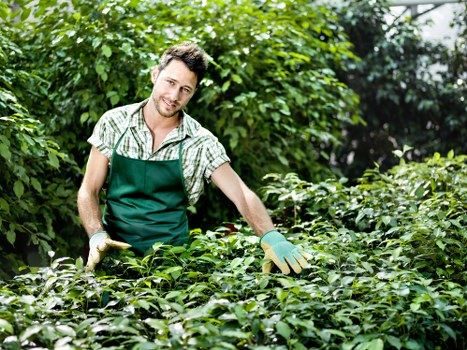 Crown thinning for homes, landlords, and commercial customers
Fulham has a broad mix of customers, and each one tends to have slightly different priorities. Homeowners often want a tree that feels lighter and less dominant in the garden. Landlords may want to keep shared outdoor areas safe and presentable for tenants. Commercial customers usually want a clean, professional finish that supports the appearance of the premises without interrupting business for too long.
For residential properties, crown thinning can help make gardens more usable in spring and summer, especially where trees have grown full and dense over time. In smaller outdoor spaces, even modest thinning can make a noticeable difference to daylight and the feeling of openness. For homes with neighbouring gardens close by, a thoughtful prune can also reduce the sense of enclosure across boundary lines.
For commercial sites, the service can support better visibility and a more welcoming entrance. A balanced tree can frame a building beautifully, while an overgrown one may hide signage or make paths feel gloomy. Businesses in Fulham often need work scheduled with minimum interruption, so a local team that understands working around opening hours and access constraints is especially valuable.
Benefits customers usually care about
- More daylight in gardens and buildings
- Reduced wind resistance in the canopy
- A more balanced and attractive shape
- Less crowding over pathways and boundaries
- Improved usability of outdoor space
- A careful approach that respects the tree’s health
If you are comparing options, it helps to know that crown thinning is not a one-size-fits-all service. The amount removed depends on the tree species, its age, its current condition, and the result you are trying to achieve. A proper recommendation should be based on the tree in front of you, not a standard formula applied to every job.
That is particularly important in Fulham, where properties can be close together and tree canopies often interact with several neighbouring spaces at once. A skilled arborist can advise on what will improve the situation without leaving the tree uneven or causing unnecessary stress. The right balance usually gives the best long-term outcome.
Customers also appreciate clear communication. You should be told what work is being done, why it is being done, and what effect it is likely to have. A trustworthy local company will explain the intended level of thinning in plain language and will not push for extra work that is not needed.
How to prepare for crown thinning in Fulham
Preparation helps the visit run smoothly and keeps disruption to a minimum. In many Fulham streets, space is limited and access is shared, so a little planning can make a big difference. If the tree is in a rear garden, side return, communal courtyard, or commercial yard, think about how the team will reach it and where branches can be safely lowered and collected.
Before the appointment, it is sensible to move vehicles if possible, unlock gates, and clear access paths for the crew. If there are delicate items such as garden furniture, pots, ornaments, or washing lines beneath the canopy, these may need to be temporarily moved. For commercial sites, notifying staff or neighbours in advance can also help avoid interruptions.
It is also useful to be clear about your priorities. Do you want more light, less shade, a tidier outline, or better clearance above a driveway or patio? If you can explain what is bothering you most, the arborist can shape the work around that outcome and discuss what is realistically achievable.
Preparation checklist
- Remove or secure loose items under the tree
- Provide clear access to the garden or site
- Move cars if branches or equipment access may be affected
- Keep pets and children away from the work area
- Share any concerns about neighbours, boundaries, or fragile structures
- Tell the team if there are ongoing issues such as decay, leaning, or recent storm damage
If access is tight
Many Fulham properties have limited rear access, which can affect how the job is carried out. A local team used to working in urban settings can plan for narrow passages, steps, basement areas, or restricted loading space. This is another reason customers often prefer local professionals rather than a one-size-fits-all approach.
Pricing factors for crown thinning
It is not sensible to quote one fixed price for every tree because the work can vary widely from one property to the next. Several factors influence the scope of the job, and these are best assessed after a site look. In Fulham, access and waste removal often play a big role alongside the size and condition of the tree.
Common pricing factors include the tree’s height and spread, how dense the canopy is, whether climbing or a platform is needed, how easy it is to access the site, and how much debris will be generated. Trees close to buildings, roads, or delicate structures may require additional care and time, which can affect the overall quote.
It is also important to separate crown thinning from other services. If you need deadwood removal, crown lifting, crown reduction, or remedial pruning as well, the work may be priced differently depending on the complexity. A good provider should explain the options so you can choose the right work for your budget and your tree.
What tends to affect the quote
- Tree size and density
- Species and branching habit
- Access for equipment and waste removal
- Location near buildings, fences, or public areas
- Whether additional pruning is needed
- Time required to complete the work safely and neatly
When you request a quote, make sure it is based on the actual tree and site conditions. That usually leads to a more accurate and useful estimate than a generic figure. It also gives you the chance to ask questions about the expected result, the likely level of thinning, and whether any follow-up care is recommended.
Many customers appreciate being able to compare like for like. If one provider suggests heavy cutting and another recommends lighter selective thinning, ask why. The best choice is not always the most dramatic one; it is often the one that preserves the tree while solving the problem that prompted the enquiry.
Request a free quote if you want a clear idea of what is involved and what approach would suit your tree best. A local team should be able to advise without pressure and help you decide whether crown thinning is the right service for your property in Fulham.
Why choose a local Fulham tree surgery company
There are real advantages to choosing a local company for crown thinning in Fulham. A team that works regularly in the area will understand the local street layouts, the common access issues, and the kinds of trees most often found in the borough. That knowledge helps with planning, safety, and completing the work with less disruption.
Local experience also helps when dealing with mixed property types. A tree in a private garden behind a terrace needs a different approach from a tree outside a business premises or in a communal courtyard. A local arborist is more likely to have practical familiarity with these situations and to know how to work efficiently in confined urban spaces.
Customers also benefit from easier scheduling and more relevant advice. If a tree is close to a boundary, overhanging a pavement, or affecting shared space, it is useful to have someone who understands local conditions and can recommend a sensible approach. That local awareness often saves time and reduces avoidable disruption.
What local customers often value most
- Knowledge of Fulham’s narrow streets and parking limitations
- Experience with gardens, courtyards, and shared boundaries
- Practical advice tailored to the tree rather than a generic approach
- Efficient work that respects neighbours and nearby businesses
- Clear communication before, during, and after the job
Areas covered around Fulham
Customers looking for crown thinning in Fulham often also need work carried out in nearby neighbourhoods and connected local areas. Tree care needs do not stop at one street, and many jobs involve properties around the wider west London area. A local team can usually cover a practical radius that includes nearby residential and commercial zones.
Common nearby areas may include Parsons Green, Munster Village, Sands End, West Brompton, Hammersmith, Chelsea, Putney, and other close-by parts of west London. The exact service area can depend on the job size and access requirements, but the important thing is having a crew that can reach you promptly and carry out the work without unnecessary delay.
If your tree sits near a boundary with a neighbouring property or spans into a communal space, local knowledge becomes even more useful. Working around shared entrances, school pick-up times, business hours, and resident parking patterns requires planning that suits the area, not just the tree.
Suitable for
- Private houses and gardens
- Blocks of flats and communal grounds
- Letting and property management portfolios
- Schools, colleges, and nurseries
- Retail, hospitality, and office sites
Frequently asked questions
Is crown thinning the same as crown reduction?
Not quite. Crown thinning removes selected branches within the canopy to reduce density while keeping the overall height and spread largely the same. Crown reduction is a more noticeable size reduction. A tree surgeon can explain which is more suitable for your situation.
Will crown thinning damage my tree?
When done correctly and in moderation, crown thinning should support the tree’s shape and function. Over-thinning or poor cutting can cause stress, so it is important that the work is selective and appropriate to the species and condition of the tree.
How often should a tree be thinned?
That depends on the species, age, location, and how quickly the canopy regrows. Some trees may only need occasional attention, while others in busy urban settings may benefit from more regular maintenance. A local arborist can suggest a sensible interval after inspecting the tree.
Can crown thinning help with shade?
Yes, it can help by allowing more light to filter through the canopy. It will not remove all shade, but it can make a noticeable difference in gardens, patios, and rooms affected by dense tree cover.
Do I need permission before the work starts?
Some trees may be protected by a Tree Preservation Order or sit within a conservation area. If that applies, the necessary checks should be made before any work goes ahead. A responsible company will help assess this as part of the enquiry process.
Can the work be done with minimal disruption?
Yes. In a place like Fulham, careful planning is especially important. A local team can usually work around access restrictions, parking limitations, and neighbour considerations to keep disruption low.
Book crown thinning in Fulham
If a tree is becoming too dense, too shady, or too awkward to live with, crown thinning may be the right answer. It can improve light, reduce wind resistance, and make your outdoor space feel more open while keeping the tree healthy and attractive. For Fulham homes and businesses, that balance is often exactly what is needed.
Whether you are dealing with a mature garden tree, a boundary tree shared with neighbours, or a commercial frontage that needs a lighter canopy, a local service can assess the situation and advise on the best approach. The aim is always to solve the practical problem while respecting the tree and the setting.
Contact us today to discuss your tree, ask about the process, and request a free quote. If you are ready to improve light, appearance, and safety around your property, book your service now and arrange a suitable time for a site assessment.
Crown thinning in Fulham should feel straightforward, careful, and tailored to your property. With the right local team, you can achieve a cleaner canopy, a better use of space, and a result that fits both the tree and the neighbourhood.