Tree Pruning in Fulham: A Local Service for Healthy, Safe, Well-Shaped Trees
Tree pruning in Fulham is more than a routine garden task. In a busy part of West London where homes, shared gardens, courtyards, shopfronts, and managed developments all sit close together, the way a tree is pruned can affect safety, light, privacy, appearance, and long-term tree health. Whether you have a mature garden tree in a red-brick terrace, a small ornamental tree in a paved courtyard, or a row of trees outside a commercial property, careful pruning helps keep growth under control and supports a better-looking outdoor space.
Many local property owners start looking for tree pruning when branches begin to overhang paths, block windows, rub against roofs, or crowd nearby planting. Others want to improve the shape of a tree, reduce the weight of limbs, or make sure a tree remains manageable in a confined urban setting. In Fulham, where space is often limited and trees are shared with neighbours or visible from the street, a thoughtful approach matters. Professional tree pruning can make a noticeable difference to the look and function of your property while helping the tree remain healthy and balanced.
If you are comparing options for tree pruning in Fulham, this page explains what the service includes, how it works, why local experience matters, and what to consider before booking. It is written for real customers who want practical information before they request a quote or arrange a visit.
Why Tree Pruning Matters in Fulham
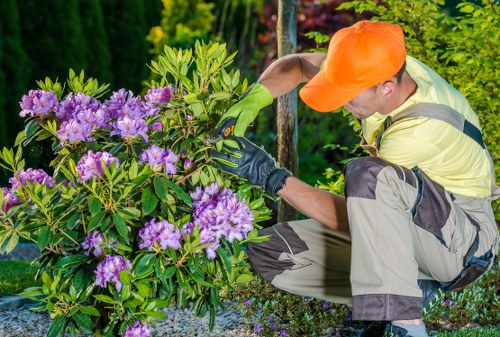
Fulham has a varied mix of housing and commercial buildings, from period terraces and mansion blocks to modern apartments, schools, cafés, offices, and retail premises. That mix creates different pruning needs. A tree in a front garden may need shaping so it does not dominate the entrance. A tree at the back of a mews property may need selective reduction to keep it from reaching gutters, fences, or neighbouring boundaries. A tree on commercial land may require regular canopy management to maintain tidy lines and safe access around footpaths and parking spaces.
In dense urban surroundings, pruning is also about preventing problems before they become expensive. Branches that grow too close to windows can affect natural light and air flow. Heavy limbs can become a concern in windy weather. Dense canopies may trap moisture and reduce visibility in shared spaces. By carrying out the right cuts at the right time, a skilled arborist can help reduce risk while preserving the natural shape of the tree.
Just as importantly, pruning supports tree health. A well-managed crown allows more air and light to move through the branches, which can reduce stress and help the tree recover from damage, disease, or overcrowding. Rather than cutting randomly, the aim is to make considered choices that suit the species, age, size, and location of each tree.
Common reasons customers request pruning
People usually contact a local tree team for pruning when one or more of these issues are present:
- Branches are touching roofs, gutters, walls, or windows.
- The canopy is too dense and is blocking light into the home or garden.
- Low growth is restricting access on paths, driveways, or communal routes.
- Tree shape has become uneven or top-heavy.
- There is concern about dead, weak, or crossing branches.
- The tree is starting to interfere with neighbouring boundaries or shared outdoor spaces.
- A commercial site needs a neat, controlled appearance throughout the year.
Tree Pruning Services for Homes and Businesses
Local customers in Fulham often need pruning for very different reasons, and the service should reflect that. A small private garden may need light seasonal maintenance, while a larger managed property may need a more structured tree care plan. We provide tree pruning that suits the setting, the species, and the goals of the customer, whether the priority is appearance, safety, clearance, or long-term tree vitality.
For residential properties, pruning may be used to let more daylight into south-facing gardens, create space for planting below, or keep ornamental trees from crowding windows and paths. In commercial locations, the service may focus on maintaining tidy tree lines, keeping signage visible, protecting access for staff and customers, and ensuring trees do not interfere with outdoor seating, loading areas, or entrances.
Some trees need only a light prune, while others benefit from a more structured reduction or crown thinning. The exact approach depends on the tree species, its condition, the season, and what you want the tree to achieve in the space. A responsible local service will avoid unnecessary cutting and will aim for a finish that looks natural rather than overworked.
Types of pruning that may be recommended
Different trees and different sites call for different methods. Common pruning work may include:
- Deadwood removal to take out dead or damaged branches.
- Crown thinning to reduce density and allow more light and air through the canopy.
- Crown lifting to clear lower branches from paths, driveways, or access areas.
- Crown reduction to reduce the spread or height of a tree while keeping its shape balanced.
- Formative pruning for younger trees so they develop a good structure early on.
- Selective pruning to improve appearance, reduce rubbing, and guide growth.
Not every tree needs the same treatment. The right choice depends on the tree itself and the site around it. A mature plane tree near a street frontage will not be handled in the same way as a flowering cherry in a private courtyard.
How Our Tree Pruning Service Works
When customers enquire about tree pruning in Fulham, they usually want a simple process with clear communication. A good service starts with understanding the tree, the space, and the outcome you want. From there, the work can be planned so it is efficient, safe, and respectful of your property and neighbours.
The first step is usually an assessment of the tree and the surrounding area. This helps identify the type of work needed, whether there are issues such as deadwood, overcrowding, or structural imbalance, and whether the site presents access challenges. In Fulham, access can be a major factor, especially in narrow roads, shared rear access, basement properties, or buildings with limited parking. Planning ahead makes the job smoother and helps avoid unnecessary disruption.
Once the pruning plan is agreed, the tree team prepares the right equipment and works carefully to complete the cuts with precision. Branches are removed in a controlled way, and the canopy is reshaped so the final result looks tidy and natural. When the work is finished, waste is cleared away, leaving the area neat and ready to use again.
Typical stages of the service
- Initial discussion of your concerns and goals.
- Site assessment and identification of the best pruning method.
- Planning for access, safety, and waste removal.
- Careful pruning using suitable arboricultural methods.
- Clear-up of branches, cuttings, and green waste.
- Final check to ensure the tree has a balanced finish.
For many customers, the biggest benefit is peace of mind. You know the work has been carried out with attention to the tree’s condition and the realities of your property.
What Is Included in Tree Pruning in Fulham?

Customers often want to know what is actually included when they book tree pruning in Fulham. The exact scope depends on the tree and the property, but a professional service typically includes more than just cutting branches. It should involve a considered approach from start to finish, with attention to safety, appearance, and the needs of the site.
In most cases, the service includes a discussion of the issue, an inspection of the tree, the agreed pruning work, and full tidy-up afterwards. If you have multiple trees, the approach can often be grouped so the work is done efficiently. For larger gardens or commercial grounds, pruning may be planned alongside other tree maintenance tasks such as shaping, clearance, or follow-up care.
Good pruning is not about taking away as much as possible. It is about removing the right material to improve the tree and the space around it. That can mean taking out deadwood, shortening selected limbs, lifting branches over a pathway, or reducing outer growth in a balanced way. The result should look purposeful and support the tree rather than stressing it.
What customers often appreciate most
- A clear explanation of what will be pruned and why.
- Care taken around paving, planting beds, lawns, and fences.
- A tidy finish with green waste removed from site.
- Advice on future care and when the tree may need attention again.
- Work that respects neighbours, shared access, and street-level visibility.
When choosing a provider, ask whether the pruning plan is tailored to your tree rather than offered as a one-size-fits-all service. In a place like Fulham, where outdoor spaces are often compact and visible, that extra care makes a real difference.
Why Choose a Local Tree Company in Fulham?
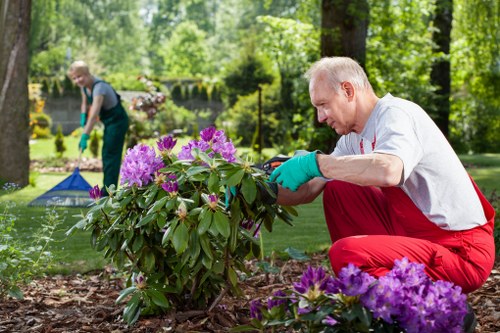
Using a local team for tree pruning brings practical benefits. Fulham has its own mix of property layouts, access restrictions, and neighbour considerations, and a local arborist is more likely to be familiar with the kinds of challenges that arise in the area. That means the service can be planned around tight driveways, controlled parking, shared gardens, rear-lane access, and busy residential streets.
A local company also understands how important presentation is in this part of West London. Trees are often a key feature of front gardens, courtyard spaces, and business premises. The pruning needs to look neat from the street, suit the character of the property, and avoid creating an overcut or unnatural finish. That takes experience and a careful eye, especially when working with mature trees close to buildings.
For commercial customers, local knowledge can help minimise disruption to staff, tenants, customers, and deliveries. Work may need to be timed around opening hours, service access, or quieter periods in the day. A team that regularly works in Fulham is more likely to manage those details efficiently and respectfully.
Local benefits at a glance
- Better understanding of access, parking, and shared property layouts.
- More suitable pruning for urban trees in compact spaces.
- Efficient scheduling around local residential and commercial needs.
- Awareness of how trees affect light, privacy, and kerb appeal in Fulham homes.
- Practical advice that fits local property types and garden sizes.
Request a free quote if you want a local team to assess your tree and recommend the most suitable pruning approach.
Tree Pruning and the Types of Properties in Fulham
Fulham includes a wide range of property types, and each one can present different pruning considerations. Period homes often have mature trees in compact front or rear gardens where branches need to be controlled without losing natural character. Mansion blocks may have communal green spaces with trees that require regular maintenance to keep shared areas safe and tidy. Modern developments may have ornamental planting that needs precise shaping to avoid blocking light or circulation routes.
Commercial properties also benefit from regular tree pruning. Restaurants, cafés, offices, clinics, and retail sites often need trees kept neat and manageable so they do not overhang walkways or hide frontage features. In some settings, pruning helps maintain visibility, while in others it improves safety for pedestrians and vehicles moving close to the site.
In every case, the aim is to balance the needs of the tree with the needs of the people using the space. Trees are valuable assets, but they should work with the property rather than against it. That is especially true in Fulham, where outdoor space is often shared, limited, or carefully designed.
Examples of local pruning needs
- Front garden trees that need shaping to suit a street-facing façade.
- Rear garden trees that have outgrown a compact patio or lawn.
- Courtyard trees where light and airflow are limited.
- Boundary trees that are affecting neighbouring fences or planting.
- Commercial frontage trees that require a polished, maintained look.
Signs Your Tree May Need Pruning
Not every tree needs immediate attention, but there are clear signs that pruning may be sensible. If you notice branches brushing against the house, a canopy becoming too dense, or lower limbs blocking movement, it may be time to arrange an inspection. Trees can also grow in ways that create imbalance, particularly if they have previously been cut poorly or have grown around nearby buildings, sheds, or fences.
Another common sign is the presence of dead, cracked, or weak-looking branches. These can be a concern because they may fall unexpectedly, especially during wet or windy conditions. Even if the tree still looks healthy overall, selective pruning can remove problem growth and reduce future issues. If a tree is getting too large for its setting, a measured reduction may help preserve it without letting it overwhelm the space.
It is also worth paying attention to the way the tree affects the property during the day. If a once-bright room has become noticeably darker, or a garden area has become too shaded for comfortable use, pruning may be able to improve light levels while keeping the tree intact. In urban areas like Fulham, those changes matter because outdoor and indoor spaces are often closely connected.
Potential warning signs
- Deadwood falling or hanging in the canopy.
- Branches crossing, rubbing, or growing into each other.
- Reduced daylight into rooms or garden seating areas.
- Branches encroaching on roofs, walls, or gutters.
- A canopy that feels too heavy, uneven, or wind-sensitive.
- Growth interfering with access routes or shared paths.
Preparing for a Tree Pruning Visit
A little preparation can help the work go smoothly and reduce disruption on the day. If you are arranging tree pruning in Fulham, it is useful to think about access, parking, pets, vehicles, and anything that may need to be moved out of the way. Because many local properties have limited external space, planning ahead can save time and make the process easier for everyone involved.
For residential customers, this may mean moving garden furniture, opening side access, or letting neighbours know if shared areas will be used. For commercial customers, it may mean identifying the best time for work, clearing entrances where possible, or coordinating with building managers or staff. If branches are close to delicate planting or hard landscaping, mention that in advance so the team can take extra care.
It is also helpful to decide what outcome matters most to you. Some customers want more light, others want a cleaner shape, and some want to address a specific safety concern. The clearer the brief, the easier it is to tailor the pruning. Good communication before the visit often leads to a better finish.
Preparation checklist
- Clear access to the tree if possible.
- Move cars, bikes, furniture, and ornaments from the work area.
- Keep pets and children away from the site during the visit.
- Tell the team about any fragile surfaces, plants, or nearby features.
- Identify any shared access arrangements with neighbours or landlords.
- Explain the main reason for requesting the pruning.
If access is tight, do not worry. Local tree teams regularly work in compact Fulham properties and can often adapt to the layout with the right planning.
What Affects the Cost of Tree Pruning?
Tree pruning costs vary depending on the tree, the site, and the level of work required. Rather than expecting a fixed price for every job, it is better to think about the factors that influence the quote. A small ornamental tree in an open front garden will usually involve a simpler job than a tall, mature tree close to a building with limited access.
Important pricing factors can include the size and number of trees, the type of pruning needed, how easy it is to reach the tree, whether specialist equipment is required, and how much waste will need to be removed. If the site is particularly tight or there are access complications, that may also affect planning and labour time. Trees with a lot of deadwood, storm damage, or awkward growth patterns may require more careful work than a straightforward tidy-up.
Because every site is different, the most reliable way to understand the cost is to request an assessment and quote based on your actual tree and property. That gives you a clearer picture of the work involved and helps avoid surprises later. For many customers, a site-specific quote is the best way to compare options fairly.
Key pricing factors
- Tree height, spread, and overall condition.
- The type of pruning required.
- Access to the tree and space for equipment.
- Waste removal and site clearance needs.
- Complexity caused by nearby structures or planting.
- Whether the work involves one tree or several.
Tree Pruning for Health, Safety, and Appearance
People often think of pruning as mainly a visual service, but it serves several purposes at once. A well-pruned tree can look better, function better, and remain healthier over time. In a place like Fulham, where property presentation matters and gardens are often used as living spaces, this balance is especially important.
From a safety perspective, pruning can remove weak or damaged branches that may otherwise pose a risk. From a health perspective, selective cutting can improve airflow and reduce overcrowding. From an appearance perspective, pruning can restore shape, balance, and proportion. That combination makes the service valuable both for private households and for business premises.
It is also worth noting that trees react differently to pruning depending on their species and condition. Some respond well to careful shaping, while others need a lighter touch. A knowledgeable arborist will avoid over-pruning and will recommend a method that supports the tree in the long term rather than forcing an artificial look.
Good pruning should aim to achieve:
- A safer structure with reduced weak growth.
- A tidy, balanced canopy that suits the property.
- Better light and airflow where needed.
- Less interference with buildings, fences, and access routes.
- A natural finish that respects the tree’s form.
It is often better to prune little and often than to make a heavy cut all at once.
This approach is especially useful for established trees in urban areas. It helps avoid unnecessary stress and keeps the tree looking settled in its surroundings.
Areas Covered Around Fulham
Tree pruning services in Fulham are often requested by customers in nearby streets and surrounding parts of southwest London. The needs can vary from one road to the next, but the same principles apply: safe work, careful shaping, and a tidy finish that suits the property. Local coverage commonly includes residential streets, communal developments, commercial premises, and mixed-use buildings across the wider Fulham area.
Because property layouts differ so much, a local team can adapt to the site rather than following a rigid process. That is useful whether the work is in a small back garden, a front boundary close to the pavement, or a larger shared outdoor area that needs professional upkeep.
When you enquire, it helps to mention the type of property and the main access considerations. This lets the team prepare properly and offer the most suitable pruning solution for your location.
Typical local property settings include:
- Terraced houses and period homes.
- Mansion blocks and managed communal gardens.
- Modern flats and apartment courtyards.
- Shops, restaurants, offices, and service premises.
- Schools, clinics, and other community buildings.
Frequently Asked Questions
Below are common questions customers ask when arranging tree pruning in Fulham. If you are unsure about your own tree, a site visit or photo assessment can help clarify what is needed.
How often should trees be pruned?
It depends on the species, the age of the tree, and where it is growing. Some trees only need attention every few years, while others in tight spaces may benefit from more regular maintenance. A local arborist can advise on a sensible cycle based on the tree’s condition and your property needs.
Will pruning harm my tree?
Proper pruning, carried out with care, should support the tree rather than harm it. Problems usually arise when too much is removed at once or when cuts are made badly. That is why it is important to use a knowledgeable team that understands tree structure and growth habits.
Can pruning improve light in my house or garden?
Yes, in many cases it can. Crown thinning or selective reduction may allow more daylight through the canopy, which can make a noticeable difference indoors and outdoors. The result depends on the tree species and how much growth needs to be removed.
Do you prune trees near buildings and boundaries?
Yes, trees close to roofs, fences, walls, and neighbouring gardens are very common in Fulham. Careful planning and controlled cutting are especially important in these locations to avoid damage and keep the finish neat.
What if my tree is too large for my space?
If a tree has outgrown its setting, reduction pruning may help by managing size in a balanced way. In some cases, other options may need to be discussed depending on the species and its condition. A proper assessment will show what is realistic and sensible.
Can you work on commercial properties?
Yes. Tree pruning for commercial customers is often focused on safety, presentation, access, and keeping the premises welcoming. Timings can usually be arranged to reduce disruption to daily activity.
Book Tree Pruning in Fulham
If your tree is blocking light, touching the house, growing unevenly, or simply needs a tidy and professional shape, it may be time to arrange tree pruning in Fulham. A well-managed tree can improve your property, reduce maintenance headaches, and create a better outdoor environment for everyday use.
Whether you are a homeowner, landlord, property manager, or business owner, a local tree service can help you choose the right approach for your site. The aim is to keep your tree healthy, your space manageable, and your property looking its best.
Contact us today to request a free quote, discuss your tree, and arrange a convenient visit. If you are ready to move forward, book your service now and take the next step toward safer, smarter tree care for your Fulham property.